

Apple MacBook Neo: Apple’s Most Affordable MacBook Yet

The Apple MacBook Neo is Apple’s newest entry-level laptop designed to bring the Mac experience to more users at a lower price. With a modern design, Apple Silicon performance, and long battery life, the MacBook Neo is aimed at students, everyday users, and first-time Mac buyers.
Design and Display
The MacBook Neo features a sleek aluminum body similar to other MacBooks but comes in more colorful options such as silver, indigo, blush, and citrus. It is lightweight at around 2.7 pounds, making it easy to carry to school, work, or travel.
The laptop includes a 13-inch Liquid Retina display with a resolution of 2408 × 1506 and brightness up to 500 nits, delivering sharp text and vibrant colors for browsing, streaming, and productivity tasks.
Performance and Chip
Unlike other MacBooks that use Apple’s M-series processors, the MacBook Neo is powered by the A18 Pro chip, a processor originally designed for iPhones. This chip allows the laptop to handle everyday tasks such as web browsing, document editing, photo editing, and streaming smoothly.
The device typically includes:
-
8GB RAM
-
256GB or 512GB storage
-
5-core GPU
-
16-core Neural Engine for AI tasks
Apple claims the laptop can be up to 50% faster for everyday tasks compared with many entry-level PCs.
Battery Life
One of the biggest strengths of the MacBook Neo is battery performance. The laptop can deliver up to 16 hours of battery life on a single charge, making it suitable for all-day work, study, or entertainment.


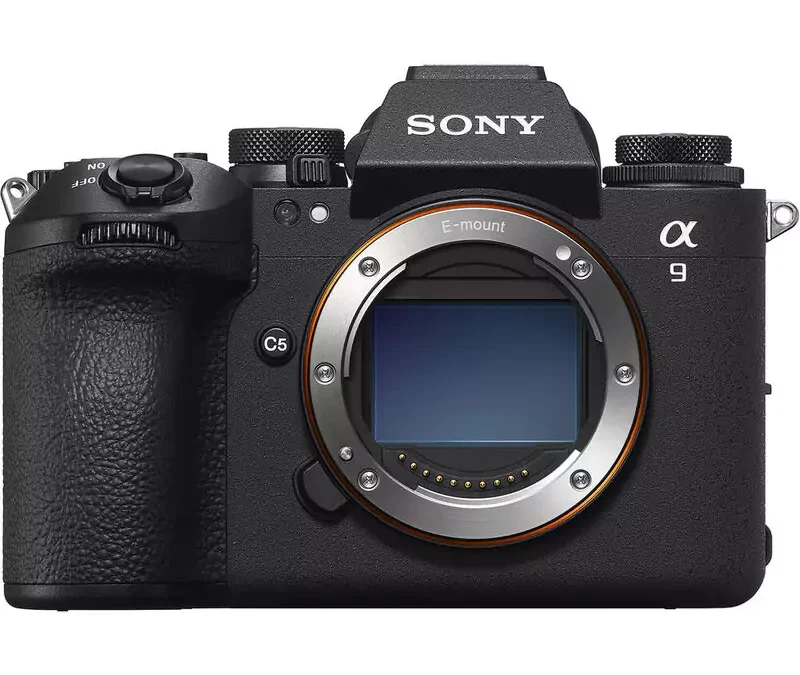
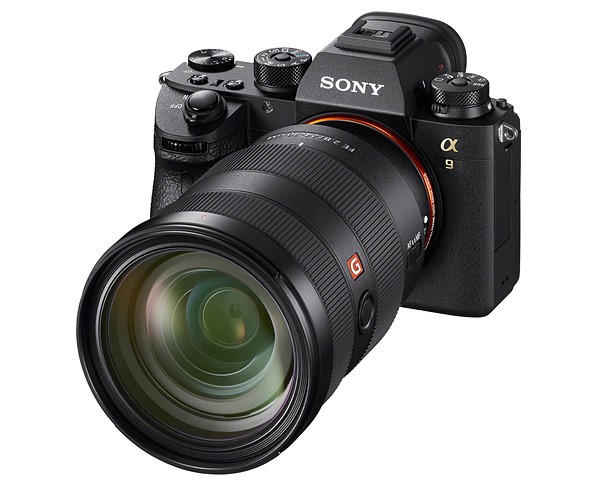 The Sony Alpha 9 is the company’s first camera aimed at professionals and sports photographers. It’s a 24MP, full frame mirrorless camera that can shoot at 20 frames per second with full autofocus. And, just as importantly, with very low viewfinder lag and no blackout while continuous shooting. That’s right, a mirrorless camera targeted at professional and sports photographers – a strike at the DSLR’s area of greatest strength. Olympus has pushed in this direction with its E-M1 Mark II, but Sony is promising both super-fast readout and full frame image quality, backed up with an expansion of its Pro Support scheme that will be needed to break into the pro market. This is ambitious stuff. All this capability stems from a stacked CMOS image sensor, which includes processing circuitry nearer the pixels and features built-in memory to deliver all this data to the off-board processors at a rate they can cope with. It’s this structure that enables the camera to shoot at 20 frames per second and do so with an electronic shutter that’s fast enough to minimize the rolling shutter effect. The fast readout also allows 60 AF/AE calculations per second, promising better subject tracking and prediction.
Recent Comments